
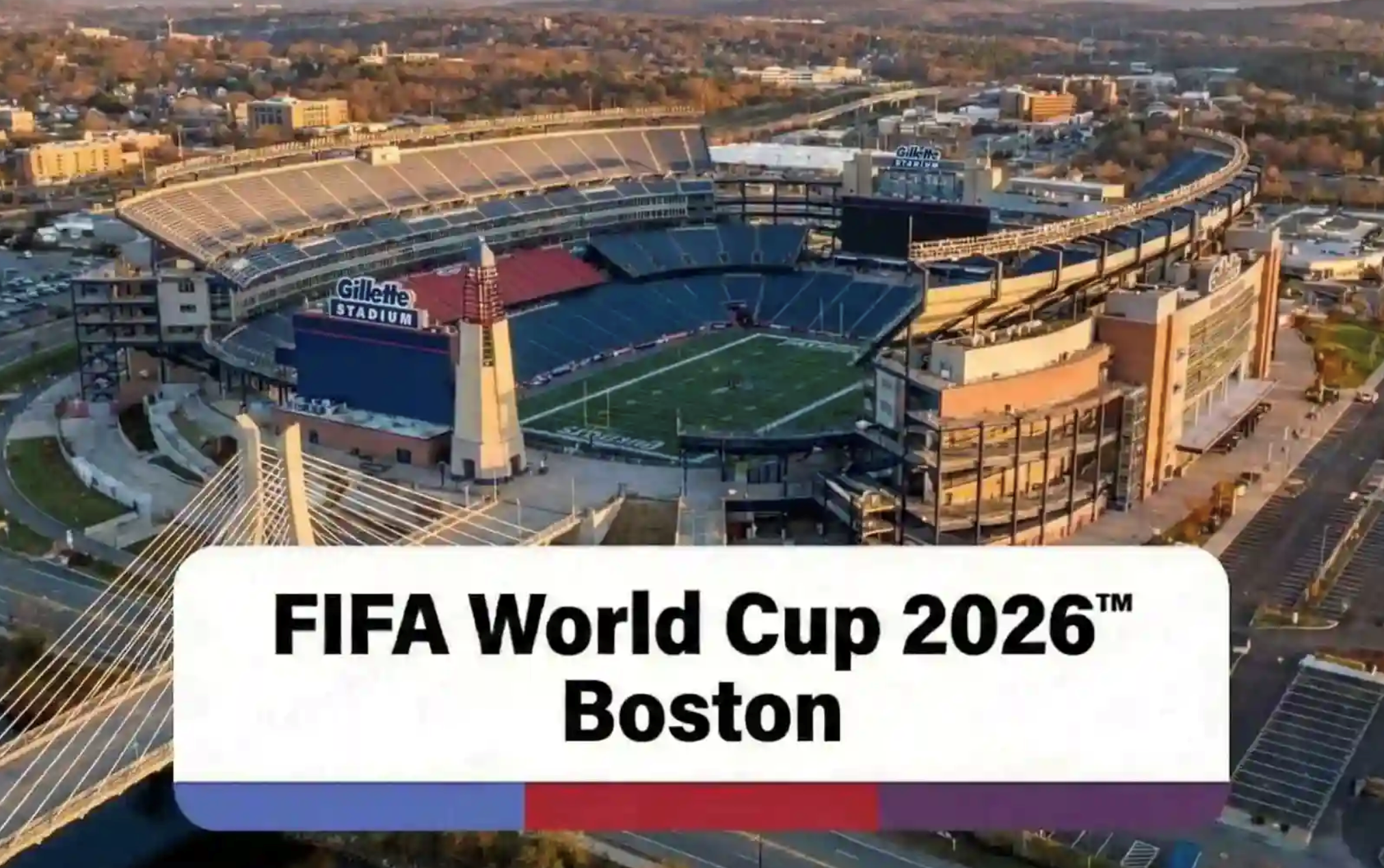
March 5 – For weeks, it felt like a high-stakes poker game is the U.S. city of Boston. On one side of the table was the Boston 2026 World Cup host committee, backed by the deep pockets of the Kraft Group and the global machine of FIFA.
On the other is the Foxborough town officials, staring down an $8 million security bill and refusing to blink. With a licensing deadline looming, the host committee finally pushed its chips forward.
Gary Ronan, attorney for Goulston & Storrs representing the Boston 2026 bid, told town officials the organisation “is willing to pay for everything … necessary to hold these events safely,” adding that it has a guarantee from the Kraft Group, owners of Gillette Stadium, to cover any shortfall.
“If you don’t get paid, you can terminate the license,” Ronan said. “The next soccer game doesn’t happen.”
The board will vote March 17 on granting FIFA a license to stage seven matches at Gillette, beginning June 13 when Scotland face Haiti at the 2026 FIFA World Cup.
Foxborough police need nearly $8 million to secure the games. Federal funds earmarked for host cities remain tied up, and town leaders made clear they would not gamble taxpayer money on a reimbursement promise. They wanted guarantees. Up front.
Attorney Peter Tamm argued advance payment had never been required for past events. The town’s counsel, Lisa Mead, countered that the board has “broad discretion” and that “past practice … does not impact or restrain the board in any way.”
Police Chief Michael A. Grace cut through the legal sparring, saying, “We’re 99 days away and the simple solution is very simple: Fund what we need funded, and this issue is over tomorrow.” Two weeks before the deadline, the host committee agreed to pay.
Foxborough played it tight. No bluffing. No folding. And in the end, the town may have just won the hand.
Contact the writer of this story, Nick Webster, at [email protected]