
March 17 – Iran’s place at this summer’s FIFA World Cup is edging into uncharted territory, with the country’s football federation now in talks with FIFA over relocating its fixtures to Mexico.
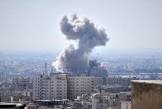
Iran are currently scheduled to play two group matches in Los Angeles and one in Seattle, but that is now under review following US-Israeli airstrikes on Iranian territory.
“When Trump has explicitly stated that he cannot ensure the security of the Iranian national team, we will certainly not travel to America,” said Federation President Mehdi Taj. “We are negotiating with FIFA to hold Iran’s World Cup matches in Mexico.”
It is a remarkable position to be in less than three months out from kick-off. Publicly, President Trump has insisted Iran would be “welcome” at the tournament, while simultaneously suggesting playing on US soil may not be appropriate “for their own life and safety” – a contradiction that has only deepened the uncertainty.
For FIFA, this causes quite the headache. A potential switch to Mexico would require a major logistical reshuffle in a tournament already stretched across three host nations – including the United States and Canada.
Mexico itself has had to navigate its own hosting issues, having had the safety of World Cup matches directly threatened by cartel violence last month.
Should FIFA resist the move, Iran may well refuse to travel altogether. Senior political figures in Tehran have already questioned their country’s participation. Sports minister Ahmad Donyamali added to this by suggesting it may not be possible for the team to compete under current security conditions.
Hovering over all of this is FIFA president Gianni Infantino, whose close relationship with Trump is increasingly difficult to ignore. Infantino went as far as awarding Trump the inaugural FIFA Peace Prize in December – a gesture that raised eyebrows at the time and looks even more awkward now, given the US administration’s central role in the current crisis.
FIFA has long leaned on the line that football can remain separate from politics. Situations like this suggest otherwise. When a qualified team is actively seeking to move its matches away from a host nation on security grounds – citing the words of that nation’s own President – the idea of clear separation begins to unravel.
Contact the writer of this story, Harry Ewing, at [email protected]