
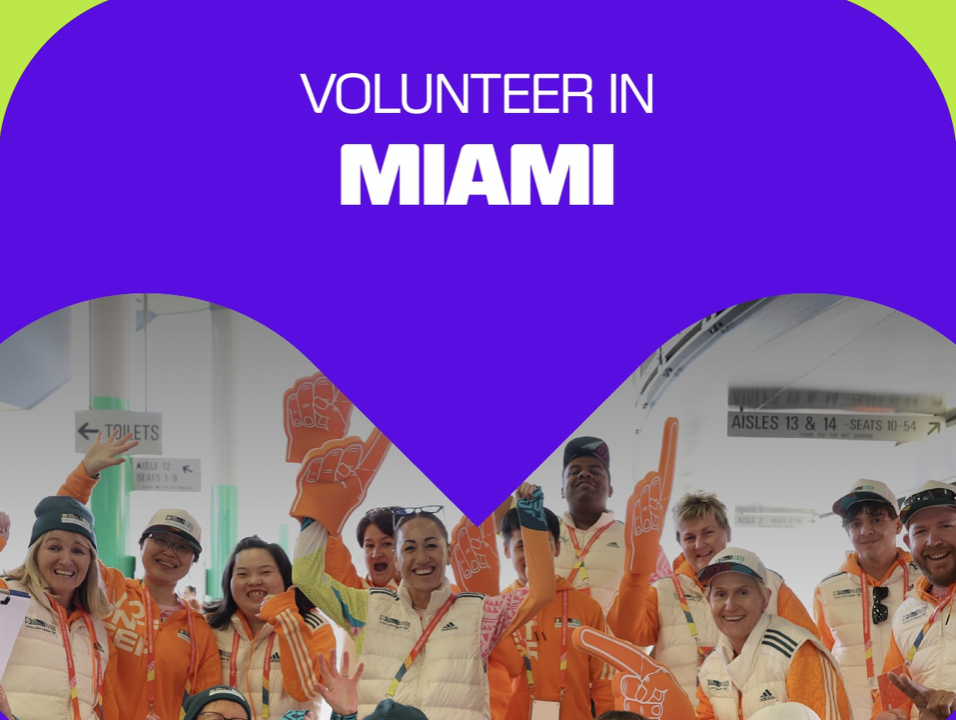
April 1 – When the World Cup arrives in Miami this summer, the first thing most visiting fans will encounter is not a stadium or a star player. It will be a volunteer. And to their credit, the Miami 2026 Host Committee seems to understand that better than most host organisations have in the past.
Thousands of volunteers have now completed in-person, role-specific training ahead of the tournament. Alongside the practical matchday briefings, participants were introduced to Miami’s tourism ecosystem, the economics of international travel, and the role each of them plays in shaping how a first-time visitor experiences an entire city.
“Every interaction a visitor has during an event of this scale contributes to how the destination is experienced and remembered,” said Vanessa Williams Brooks, Director of the Volunteer Program for the Miami Host Committee. “By combining operational training with tourism awareness, we are equipping volunteers to deliver a consistent, high-quality visitor experience across the city.”
World Cup host cities have historically measured success in stadiums filled and matches played. The savvier ones have learned that the real legacy is built in the hours between kick-offs in the streets, transport hubs, at hotel lobbies, and in the thousands of small exchanges that a fan from São Paulo or Seoul carries home with them long after the final whistle.
Miami has serious World Cup ambitions beyond simply hosting a handful of group stage fixtures. The city wants the reputation that follows the tournament and is banking on training volunteers to think like ambassadors rather than traffic marshals.
Contact the writer of this story at [email protected]