
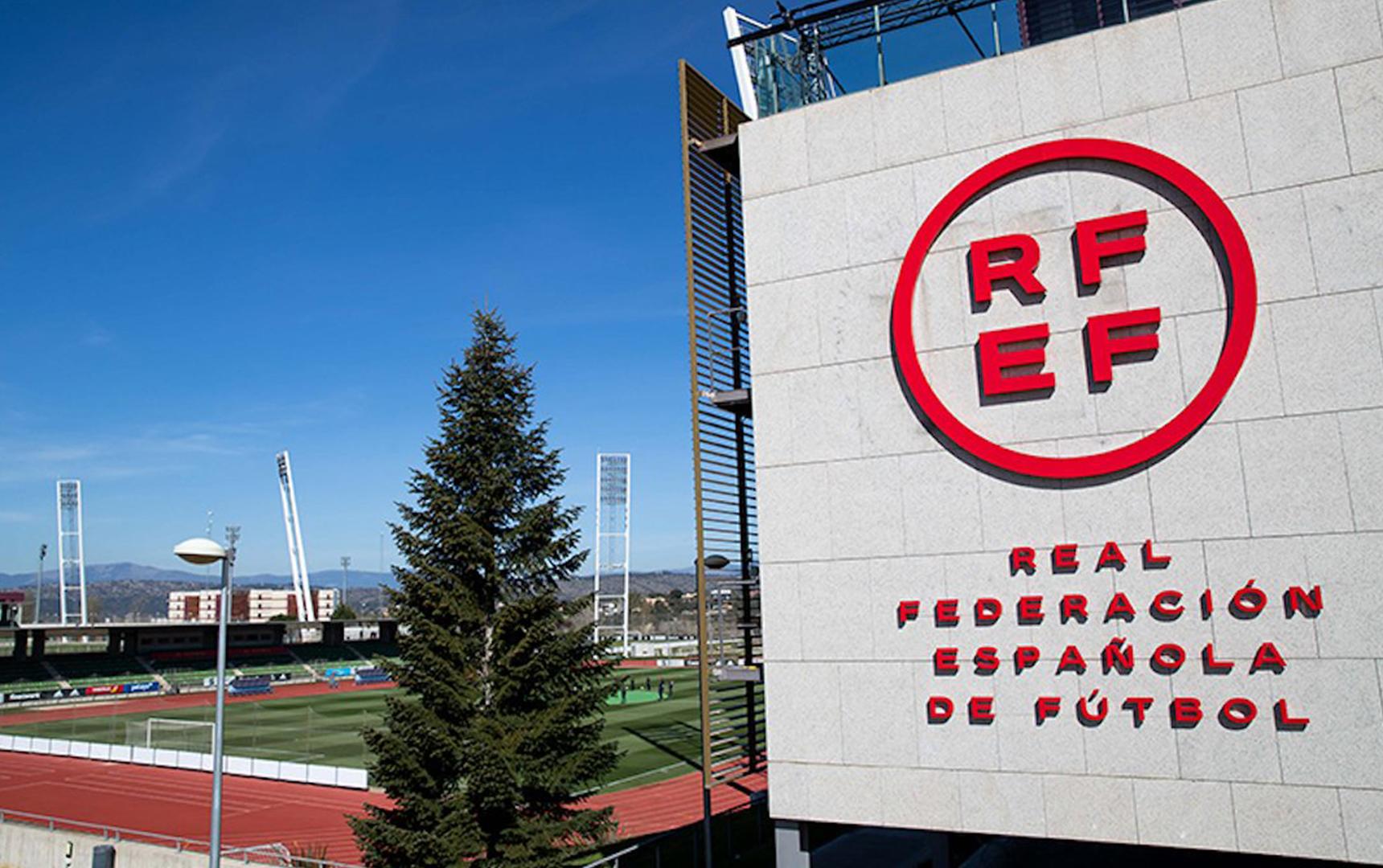
March 19 – The Royal Spanish Football Federation (RFEF) has locked in another commercial partner ahead of what looks like a pivotal period for the national teams, confirming a long-term deal with Telefonica through to the end of 2030.
With the agreement signed, Telefonica’s Movistar brand will become the official telecommunications operator for Spain’s entire roster of sides – a partnership that stretches across a packed international calendar, including this summer’s World Cup, the 2027 Women’s World Cup, UEFA Euro 2028, and the crown jewel of the 2030 World Cup co-hosted by Spain itself.
In each of those competitions, you’d be silly to rule out Spain as favourites – adding another layer of value to what is already likely to be a lucrative deal, though the financial terms have not been disclosed.
It is, in effect, a cycle-defining deal – one that aligns the federation with a domestic heavyweight already deeply embedded in Spanish football’s media landscape.
Movistar will sit as a second-tier partner alongside brands such as Mapfre and Iberdrola, beneath technical sponsor Adidas, but the strategic value runs deeper than tiering alone.
Telefonica’s role as a major broadcaster of LaLiga – and its recent renewal through to 2032 in a €6.1 billion domestic rights cycle alongside DAZN – gives the partnership a clear distribution angle as well as a commercial one.
“We want to be the best gateway to the digital world for citizens, and that includes offering the best content,” said Telefonica President Marc Murtra. “To achieve this, we must be present in the moments when millions of Spaniards share unique digital experiences.
“The Spanish national team’s football matches are one of those memorable moments. Supporting our team until 2030 reinforces our objective and our commitment to these shared moments.”
RFEF, meanwhile, continues to build out a commercial portfolio with one eye firmly on 2030, fuelled by Spain’s all-important status as co-hosts for the World Cup. Recent additions to that lineup – including a deal with Unilever – point to a federation keen to maximise its commercial position ahead of what should be a defining tournament on home soil.
Beyond branding, both parties have emphasised the potential for integration across technology, entertainment and sport – a familiar refrain, but one that increasingly underpins sponsorship strategy as digital engagement becomes the primary battleground.
Contact the writer of this story, Harry Ewing, at [email protected]