‘A World Cup for the entire Middle East’
How many times have we heard Hassan al-Thawadi, the public face of Qatar’s 2022 World Cup, utter those words when talking about the Gulf state staging football’s showpiece tournament?

How many times have we heard Hassan al-Thawadi, the public face of Qatar’s 2022 World Cup, utter those words when talking about the Gulf state staging football’s showpiece tournament?
From the vantage-point of today, the Garcia report has something of the air of the Dead Sea Scrolls – an important relic offering vital clues about how life was lived in a bygone era.
She coined the phrase “FIFA Slayer” and prided herself to be just that: the woman who dismantled FIFA.
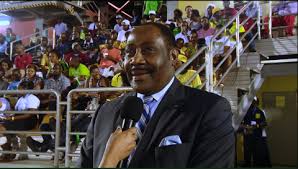
On Tuesday afternoon, June 6, Captain Horace Burrell, 67, passed away at the John Hopkins Cancer Centre in Baltimore, Maryland, USA. He had been battling cancer for more than a year and succumbed to it while undergoing additional treatment.
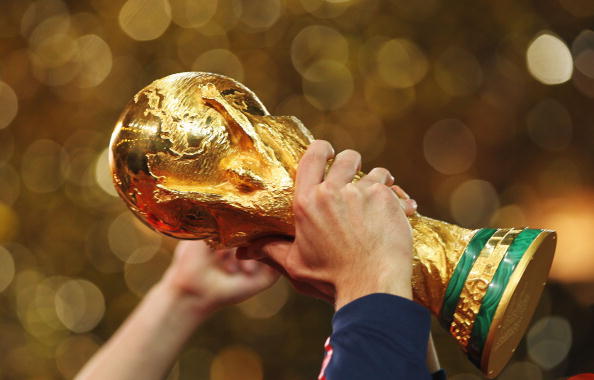
Politics and sport make uneasy, if unavoidable, bedfellows. This has been underlined plenty of times in just the past few months and is now being highlighted once again by tensions in the Gulf centred on Qatar, host of the 2022 FIFA World Cup.
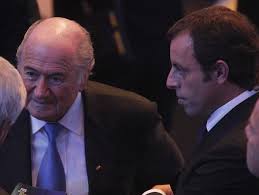
Few seem to understand that former Brazilian chieftain Ricardo Teixeira’s possible/likely/somewhat unexpected crawling to the bosom of the US Department of Justice (for cover?) is potentially the most dangerous reality people like Sepp Blatter, Urs Linsi, Jerome Valcke and one very special Zurich lawyer are facing. And possibly global sportswear manufacturer Nike too.

As the biographer of Foinavon, it should come as no surprise that I think the late-1960s was the greatest period in the history of sport. And on Thursday, another landmark 50th anniversary falls – that of the 1967 European Cup final, the night of the Lisbon Lions, the match that made household names of Jock Stein and Billy McNeill.
It may now be old news rather than fake news and have been somewhat overshadowed by subsequent events in Bahrain but was the invisible hand of the biggest figure in Asian sport behind the surprise election of a relatively unknown candidate to become Asia’s female representative on the FIFA Council last Monday?
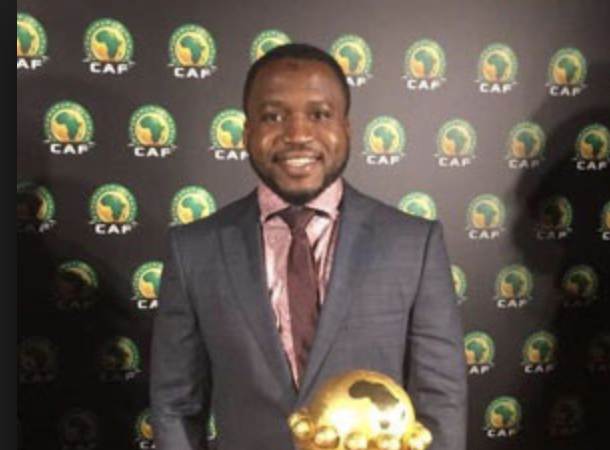
He never had a chance but just getting on to the ballot was enough. Zelkifili Ngoufonja (the candidate known as Zul) was beaten 54 votes to 4 by Egypt FA president Hany Abu Rida for the last position on FIFA’s Council. But if there ever was a victory that showed up the deep flaws of FIFA’s easily corruptible and barely governed election system (and the Confederation of African Football’s in particular) then this was it.
The battle for political control of the Caribbean is entering a crucial phase, and it has nothing to do with football and everything to do with controlling the votes, the agenda and the money. At the centre of the power play is the CONCACAF-driven attempts to remove Caribbean Football Union (CFU) president Gordon Derrick from office and split the CFU membership.

It isn’t every day that a ban by FIFA’s ethics watchdogs is overturned on appeal. Many have tried and failed to clear their names, not least Sepp Blatter and Michel Platini.
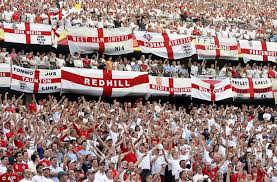
Whether we like it or not, Britain is leaving the EU, leading to all manner of ramifications, complications and consequences. But what effect will it have on the country’s place in European football?
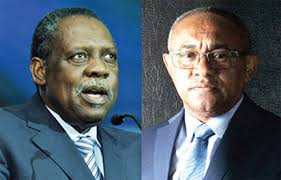
African football is in a dilemma. Not the first time, for that. CAF, the Confederation of African Football, is voting tomorrow and the result may well be remarkable.
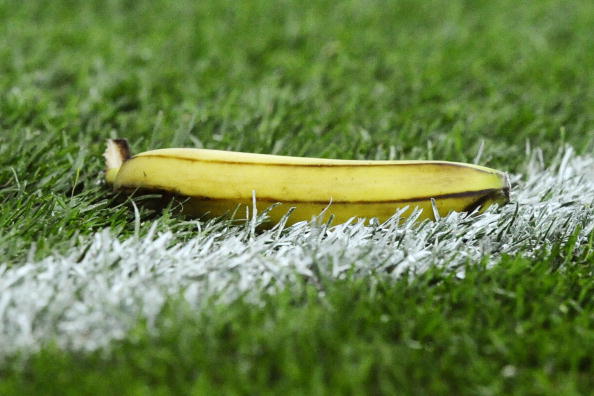
Insideworldfootball columnist, Osasu Obayiuwana, a member of the now dissolved FIFA Task Force Against Racism and Discrimination, shares his personal experiences and disappointment with FIFA’s half-hearted attempt to address racial and discriminatory issues in football.
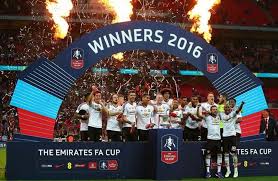
Call me old-fashioned but this has simply got to end. A year ago I wrote on this website about the FA Cup, football’s oldest – and greatest – domestic knockout competition being totally disrespected and devalued by top-flight clubs more interested in money than glory.